Different types of Laser Cutting For Metal
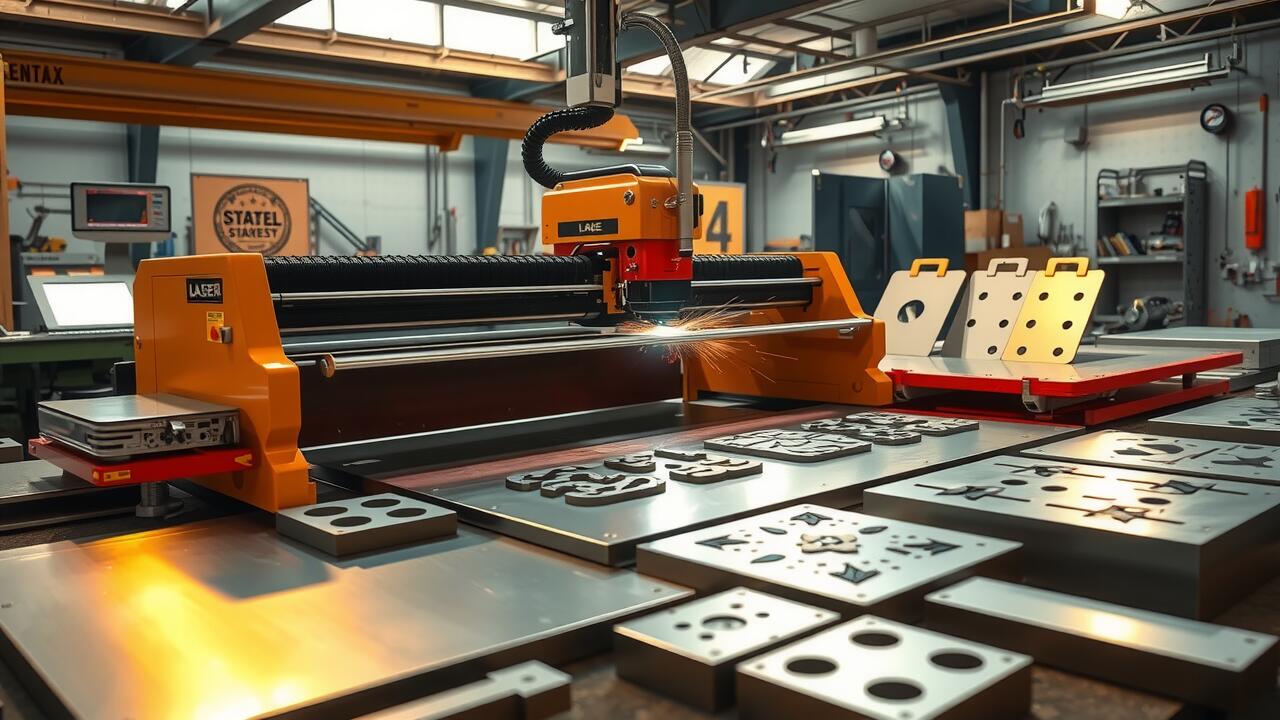
Precision and Speed in Laser Cutting
Laser cutting offers an unmatched combination of precision and speed, making it an ideal choice for various metalworking applications. The technology utilizes a focused beam of light to melt, burn, or vaporize materials, allowing for intricate designs and fine details. The resulting cuts feature smooth edges and minimal kerf, which enhances overall component quality. This level of accuracy is essential in industries such as aerospace and automotive, where tight tolerances are crucial for performance and safety.
The speed of the laser cutting process is equally noteworthy. High-powered lasers can cut through metals with remarkable efficiency, significantly reducing production times. Factors such as the type of laser, material thickness, and cutting speed settings contribute to how quickly a job can be completed. Automation and advanced control systems further increase throughput, allowing manufacturers to meet demanding schedules without compromising on quality. As a result, businesses often find that leveraging laser cutting technology leads to better productivity and faster project turnaround times.
Factors Influencing Cutting Speed and Accuracy
The cutting speed and accuracy of laser technology are influenced by several key variables. The type of laser used plays a critical role; CO2 lasers typically facilitate faster cutting of certain materials, while fiber lasers excel in cutting metals with precision. Additionally, the power output of the laser also impacts efficiency. A higher wattage allows for quicker cuts, though it may also affect the quality of edge finish, especially in thicker materials.
Material properties are another significant factor. Different metals exhibit varying behaviors under laser cutting, with aluminum requiring distinct settings compared to steel. Texture and thickness of the material also come into play. A smoother surface often leads to better accuracy, while thicker sheets typically demand slower speeds to maintain a clean cut. These nuances require careful calibration to achieve optimal results in terms of both speed and precision.
Laser Cutting Thickness Capabilities
Laser cutting technology offers versatility in processing various metal thicknesses, enabling precise cuts across a broad range of applications. Typically, the standard thickness for metal laser cutting can range from very thin materials, such as 0.02 inches, to heavier plates up to around 1 inch, depending on the specific type of laser system used. Factors such as the type of laser (e.g., CO2 or fiber), the power output, and the material composition directly influence the maximum thickness capabilities.
Selecting the appropriate thickness for a particular project is crucial, as it affects both the cutting quality and the final outcome. Thinner materials generally allow for faster cutting speeds and greater precision, which is ideal for intricate designs. In contrast, thicker materials may require more power and slower cutting speeds, possibly resulting in heat-affected zones. Understanding these nuances helps fabricators optimize their processes and ensures they achieve the best results tailored to their needs.
Choosing the Right Thickness for Your Project
Selecting the appropriate thickness for a metal cutting project involves several considerations. Different materials exhibit varying behaviors when cut at specific thicknesses. Thinner materials may skew or warp during the laser cutting process, while thicker materials generally require more powerful lasers and slower cutting speeds to achieve clean edges. It's essential to evaluate both the type of metal being used and the intended application to determine the most effective thickness.
The project’s ultimate goal also influences thickness selection. Aesthetic projects may demand specific profiles or finishes that may only be achievable with certain thicknesses. In contrast, structural components prioritize strength and durability, where thicker materials may be advantageous. Understanding the interplay between thickness, material type, and intended use is crucial for making an informed decision that aligns with project requirements.
Cost-Effectiveness of Laser Cutting
Laser cutting has gained popularity due to its efficient production capabilities and overall cost-effectiveness. The precision involved in laser cutting minimizes material waste, ensuring that users maximize their return on investment. Unlike traditional cutting methods, which may require additional secondary processes to achieve desired finishes, laser cutting delivers high-quality results in a single operation. This aspect not only saves time but also reduces labor costs associated with post-processing.
When comparing laser cutting costs with other techniques, the initial equipment investment can be substantial. However, the longevity and low maintenance needs of laser cutting machines often balance out these initial expenses. As businesses scale their operations, the ability to produce complex parts quickly and accurately tends to favor laser cutting over other methods. The overall efficiency translates to competitive pricing, making it a viable option for both small-scale projects and larger manufacturing tasks.
Comparing Laser Cutting Costs with Other Methods
When evaluating the expenses associated with various cutting techniques, it becomes clear that laser cutting offers unique advantages. While the initial investment in laser cutting equipment may seem high, its efficiency can lead to cost savings over time. This technology requires less material waste compared to traditional methods. It also minimizes the need for extensive finishing work, further reducing overall production costs.
In contrast, alternative cutting methods, such as water jet or plasma cutting, often involve more significant operational and material costs. These methods may require additional processes to achieve the same level of precision and surface finish that laser cutting provides. Furthermore, maintenance costs tend to rise with older technology, making laser cutting a more sustainable long-term solution for many projects.
Safety Measures in Laser Cutting
Laser cutting involves high-powered beams capable of melting or vaporizing metal, making safety a critical concern. Operators should wear appropriate personal protective equipment, such as safety glasses, gloves, and flame-resistant clothing. It is essential to maintain a well-ventilated workspace to prevent the accumulation of harmful fumes generated during the cutting process. Regularly checking and maintaining equipment can help prevent malfunctions that might lead to accidents.
In addition to personal protective measures, an emergency response plan is crucial in case of unexpected incidents. Operators must be trained to handle the machinery safely and know how to respond to fires or equipment failures. Clear safety signage and barriers around the cutting area can help keep unauthorized personnel at a safe distance, reducing the risk of injury. Regular safety audits and training sessions can further enhance the overall safety protocol within the workplace.
Essential Safety Practices for Laser Operators
Proper training is vital for anyone operating laser cutting machines. Operators should be familiar with the specific model being used, including its features and safety mechanisms. Regular training sessions can help maintain high safety standards and keep the operators updated on any new procedures or technologies that may enhance workplace safety. Periodic refresher courses ensure that knowledge remains current and promotes a culture of safety awareness among the team.
Using personal protective equipment (PPE) is a non-negotiable practice in any laser cutting environment. Operators must wear safety goggles to protect their eyes from intense light and possible debris. In addition to eye protection, gloves, face shields, and protective clothing reduce the risk of injury from burns and cuts. It is also crucial to keep the workspace organized and free from hazards, as distractions can lead to accidents while operating the machinery.